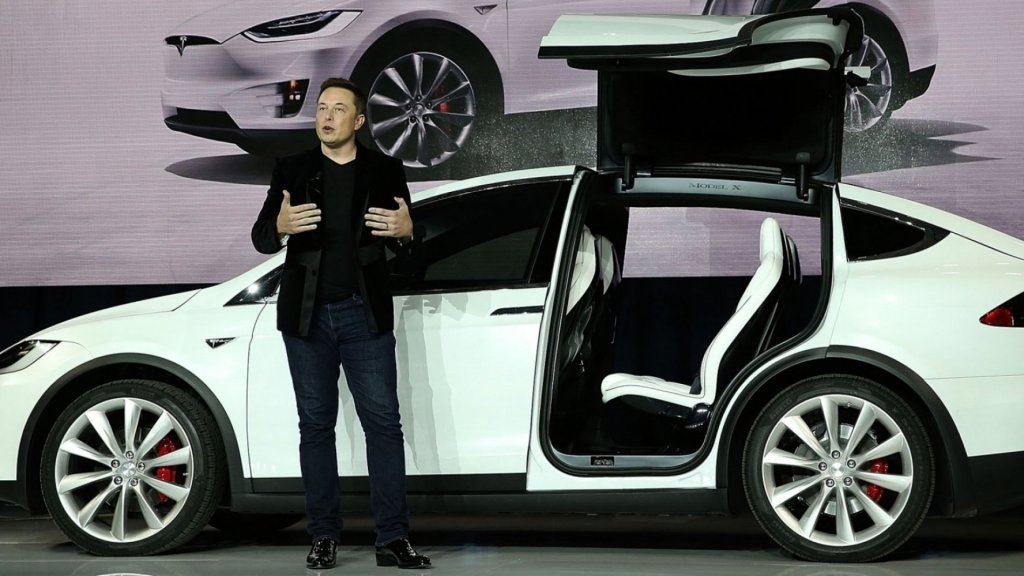
You can’t think about Tesla without thinking about Elon Musk. In terms of institutional leadership, he is the epitome of the visionary founder/CEO stereotype. A traditional perspective of firm competencies places heavy focus on the top managers to try to ascertain what special characteristics they may have that make their firms outperform. However, the research on CEO talent is mixed and there are limits to this approach, namely, that it ignores many other firm strengths that may be more important. The cultural criticism of Elon Musk through memes making fun of his personae as an ego out of touch billionaire who thinks he knows better than everyone else is an apt criticism of this line of theory.
When thinking about a company’s competitive strengths, institutional leadership is one type of distinctive competency. But while vision-setting is very important, and founders can have an incredible impact on defining that vision, it takes more than a visionary founder to run a truly incredible operation. This requires talented managers at all levels of the firm and more importantly, a team approach that leverages strengths while minimizing weaknesses.
I learned quite a bit about this approach to determining distinctive competencies when I was working as an analyst of private investments. Private investments include venture capital investments in start-up firms. When analyzing the strength of a start-up firm, it is all about the human resources, talent, and experience at the table. And when choosing fund managers to invest with, a major determinant is the strength of their team. Do they have diverse perspectives at the table to inhibit blind spots? What value does the sum of their efforts have beyond the individual components?
Ricardian economics focuses on unique and inelastic qualities firms possess that give them competitive advantage. For instance, these elite teams are likely fewer and more unique than finding a single top manager who is a good leader. Managers who are visionary institutional leaders may be rare, but then by definition visionary leaders who can also work in teams are even more rare. This is certainly something Elon Musk might consider in his managerial approach to Tesla.
 Global Strategic Analysis of Tesla